
Featured
CBN raises SMEs fund to N300bn as beneficiaries get N149.21bn

Published
5 years agoon
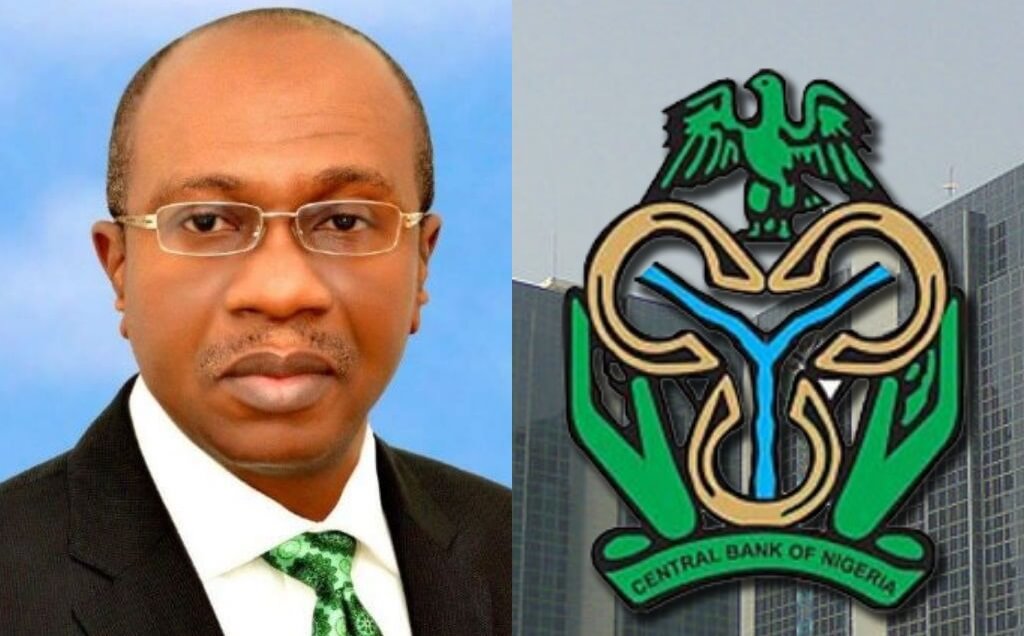
CBN raises SMEs fund to N300bn as beneficiaries get N149.21bn
The Central Bank of Nigeria (CBN) today announced its decision to raise the Targeted Credit Facility (TCF) for households and small and medium enterprises from N150 billion to N300 billion.
Read Also:
It also stated that the bank had disbursed a total of N149.21 billion to SMEs and households across the country under the TCF.
Godwin Emefiele, the governor, CBN, disclosed this at a seminar for finance editors and correspondents held virtually in Lagos and Abuja simultaneously.
Emefiele, who was represented by the bank’s Deputy Governor, Corporate Services, Edward Lametek, said the CBN made moves to alleviate the plights of households and business owners and drive economic growth during the pandemic.
He said, “We initially created a N150 billion Targeted Credit Facility for affected households and small
and medium enterprises through the NIRSAL Microfinance Bank. Already, N149.21 billion has been disbursed to 316,869 beneficiaries.
“Given the resounding success of this programme and its positive impact on output growth, we have decided to double this fund to about N300 billion, in order to accommodate many more beneficiaries and boost consumer expenditure which should positively stimulate the economy.”
Emefiele stated that in line with the growing need to go digital, the application process was done online and required limited paperwork from prospective applicants.
He said the bank had continued to improve its remittance infrastructure in order to provide Nigerians in the diaspora with cheaper, convenient and faster channels for remitting funds to beneficiaries in Nigeria.
“In a bid to reduce the cost of remitting funds to Nigeria, the CBN on March 8, 2021 introduced a refund of N5 for every $1 of fund remitted into the country through IMTOs (International Money Transfer Operators) licensed by the CBN,” he said.
The CBN boss added, “We believe this measure would help to support improved foreign exchange inflows and enable Nigerians in the diaspora to use more formal channels relative to informal channels.”
Share this:
- Click to share on X (Opens in new window) X
- Click to share on Facebook (Opens in new window) Facebook
- Click to share on WhatsApp (Opens in new window) WhatsApp
- Click to share on Pocket (Opens in new window) Pocket
- Click to share on Telegram (Opens in new window) Telegram
- Click to email a link to a friend (Opens in new window) Email
- Click to share on LinkedIn (Opens in new window) LinkedIn
You may like


CBN Affirms Alpha Morgan Bank’s Capitalisation
-
Nigerian Banks Set New Target to Respond to Frauds
-
NCC, CBN Introduce 30-Second Refund Rule for Failed Airtime and Data Purchases
-
Banks’ N1.96Trn Black Hole: Who Took the Loans, Who Defaulted, and Why the Real Economy Suffers
-
How Policy Missteps Weigh Down Nigeria’s Fragile Banking Giants
-
Nigeria at 65: A Nation Still Waiting for a Banking Revolution


