Health
World Parkinson’s Day: Advocates Raise Alarm over Misdiagnosis, Stigma in Nigeria

Published
5 months agoon
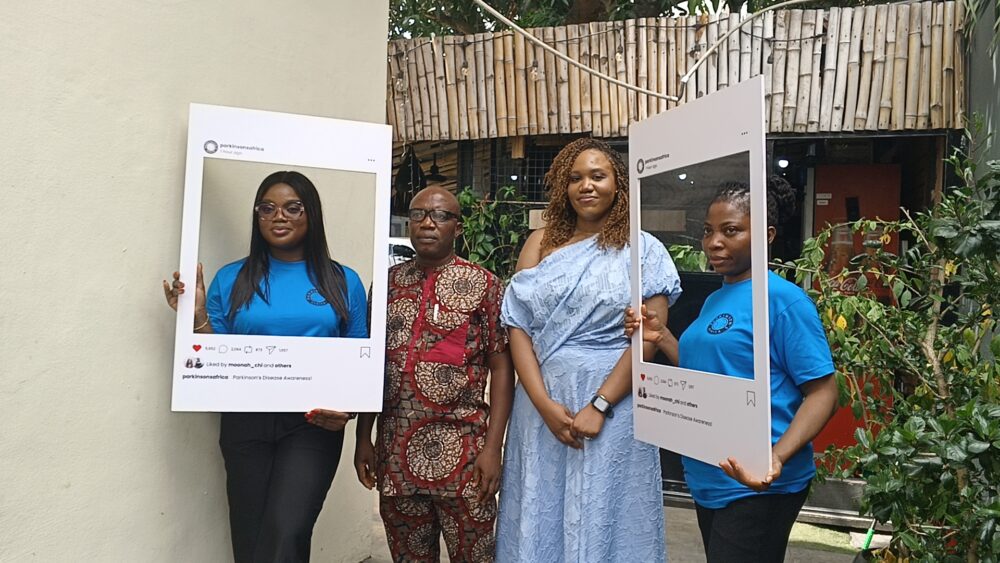
Advocates have called for increased awareness and improved healthcare response to Parkinson’s disease in Nigeria, warning that widespread misdiagnosis and stigma continue to hinder early detection and treatment.
The call was made as Parkinson’s Africa marked World Parkinson’s Day on April 11 with a sensitisation event aimed at educating the public on the disease, its symptoms and prevailing misconceptions.
Read Also:
The organisation said many Nigerians living with Parkinson’s disease remain undiagnosed due to low awareness and limited understanding among both the public and healthcare providers.
This reality is reflected in the experience of Obinna Chima, whose wife lived with symptoms for years before receiving a proper diagnosis in January 2020.
“Before then, she had all these symptoms, but she wasn’t properly diagnosed,” Mr Chima said, noting that she was treated for other conditions and given medications, including antidepressants, without addressing the underlying illness.
Parkinson’s Africa’s charity manager, Ruth Ebe, said World Parkinson’s Day provides an opportunity to bring together patients, caregivers and health professionals to deepen understanding of the disease.
“We use this day to educate the public about the myths and the facts that concern Parkinson’s disease,” she said.
Parkinson’s disease is a neurodegenerative disorder that affects dopamine-producing neurons in the brain, impairing movement and coordination. Although it has no cure, treatment can help manage symptoms and improve quality of life.
According to the organisation, symptoms such as tremors, stiffness, slow movement, depression and sleep disorders are often overlooked or misunderstood, leading to delayed diagnosis.
“There are people already having problems with their movements, but others say, ‘you are too slow’ or ‘why are you shaking?’,” Ms Ebe said.
Communications officer at Parkinson’s Africa, Success Nwanedo, described the condition as life-altering, affecting independence and daily living.
“It is more than a health condition. It is a life-altering reality,” she said.
The organisation noted that Parkinson’s disease has no known cause but has been linked to genetic factors and exposure to certain chemicals. It added that the disease affects about one to two per cent of people above 60 globally, with projections indicating a sharp rise in cases in sub-Saharan Africa by 2050 due to ageing populations.
Advocates also highlighted persistent myths and stigma surrounding the disease in many communities, where sufferers are sometimes labelled as witches or taken to spiritual homes for treatment.
“It is not witchcraft. It is not a curse. It is not communicable,” Ms Nwanedo said, warning that such beliefs delay medical intervention.
Mr Chima said the situation is worse in rural areas, where some patients are isolated or confined due to misconceptions about the disease.
On the healthcare front, stakeholders expressed concern over limited government involvement. Mr Chima said his family relies largely on support from Parkinson’s Africa, urging authorities to prioritise awareness campaigns.
“If government starts with awareness, more people will understand the condition. It should not be left to charities alone,” he said.
Ms Ebe added that Parkinson’s treatment is not covered by Nigeria’s national health insurance scheme, while medications are largely imported and expensive, placing a heavy financial burden on patients.
She also called for improved training of healthcare professionals to reduce cases of misdiagnosis and late detection.
Beyond patients, caregivers also face significant challenges. Mr Chima described caregiving as demanding and requiring long-term commitment and planning.
“To be a caregiver, you must make up your mind that this is what you want to do,” he said.
Parkinson’s Africa currently operates in 11 countries, providing support groups, educational materials in local languages and advocacy programmes aimed at improving policy inclusion and healthcare access.
The group urged greater public empathy and collective action to ensure people living with Parkinson’s disease are treated with dignity and receive adequate care.