
Finance
CBN expects foreign reserves’ dip to $29.9bn by year end

Published
6 years agoon
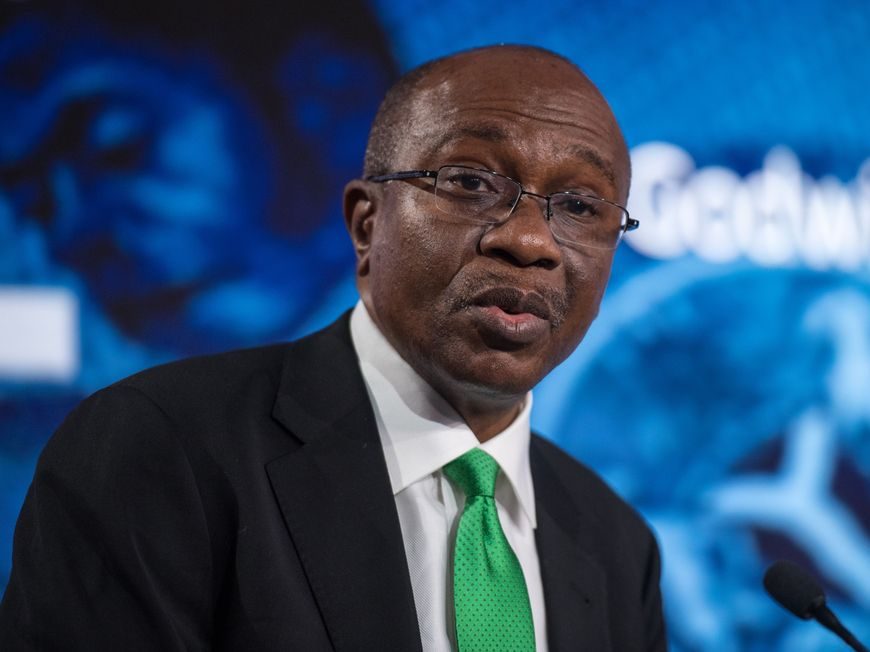
Amidst continued pressures on the external sector of the economy, the Central Bank of Nigeria (CBN) has projected a major fall in the country’s foreign reserves to $29.9 billion by the end of 2020 citing decline in oil prices and the impact of the Coronavirus (COVID-19) pandemic.
In a report titled, ‘Monetary, Credit, Foreign Trade and Exchange Policy Guidelines for Fiscal Years 2020/2021’, the apex bank stated: “Sequel to the COVID-19 pandemic, the viability of the external sector in 2020 is expected to deteriorate, given the present worsening current account balance and depletion of external reserves driven, largely, by decelerating export receipts, particularly oil.”
Read Also:
“Specifically, the degree of external reserves accumulation is expected to decelerate, as outflows are expected to outweigh inflows.
“As a result, external reserves are expected to lie between $29.9 billion and $34.3 billion at end-December 2020 (predicated on current declining oil price between $20 and $40).”
If further noted that this development, in addition to exchange market pressures emanating from speculative activities in the BDC and I & E segments of foreign exchange market, is expected to exert pressure on the naira exchange rate.
In addition, increased risk aversion behaviour by investors may negatively impact on capital inflow, as they flee to safe-haven assets.
However, the apex bank has reported a marginal increase in the reserves recording $59 million growth to $35.7 billion last week from $35.7billion as at August 29, 2020.
Prior to September, the reserves rose by $65 million from $35.59 billion as of August 20 to $35.66 billion as of August 27.
You may like


Foreign Capital Inflows Jump 94% to $23.4bn on FX Reforms, CBN Reports
-
CBN Retains Interest Rate at 26.5% as Middle East Tensions Heighten Inflation Risks
-
Tinubu Signs Executive Order to Harmonise Nigeria’s Crypto Regulation
-
CBN Launches BDC FX Tracker, Sets 24-Hour Dollar Resale Rule
-
2027 Election Spending Emerging as New Inflation Risk
-
CBN Warns Against Rejection of Standard N100 Banknote


