
Finance
Afreximbank Backs Nigeria’s Cotton Industry with $2bn, Says Investments Hit Up to $20bn

Published
13 hours agoon
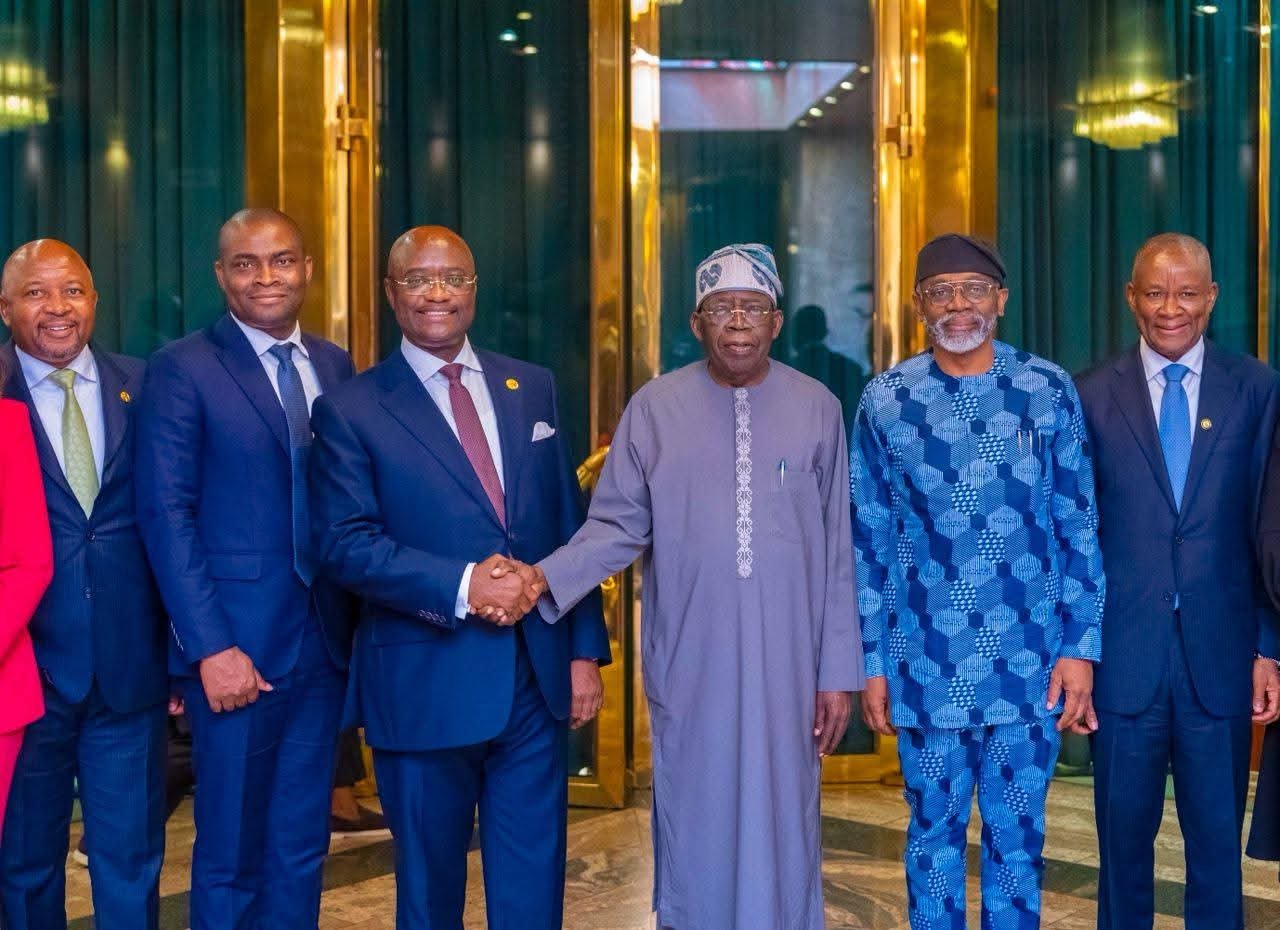
The African Export-Import Bank (Afreximbank) has disclosed that it invested between $15 billion and $20 billion in Nigeria over the past five years and has earmarked an additional $2 billion to revive the country’s cotton and garment industry.
Afreximbank President and Chairman of the Board, Dr George Elombi, disclosed this on Tuesday during a meeting with President Bola Tinubu at the State House in Abuja.
Read Also:
Elombi said the bank’s investments span trade finance, agro-processing, healthcare and industrial value chains, underscoring Nigeria’s position as one of Afreximbank’s largest investment destinations on the continent.
He said the fresh $2 billion commitment is targeted at supporting the development of Nigeria’s cotton, textile and garment value chain as part of efforts to boost manufacturing, create jobs and expand non-oil exports.
The Afreximbank President also highlighted the bank’s financing of major infrastructure projects, including the Lagos-Calabar Coastal Highway and the Kano-Maradi railway, as well as its investment in the African Medical Centre of Excellence in Abuja, which is expected to strengthen healthcare delivery and reduce outbound medical tourism.
Receiving the Afreximbank delegation, President Tinubu urged the continental lender to intensify support for Africa’s industrialisation, saying the continent must move beyond exporting raw materials to developing industries that create value and employment.
“We have what it takes to build this continent. We cannot continue to exploit and export raw materials without value addition,” the President said, urging Afreximbank to provide investment guarantees for industries built around Africa’s mineral resources, including lithium processing and battery manufacturing.
Tinubu also called for stronger collaboration between Afreximbank and the Bank of Agriculture to finance agricultural value chains, particularly cocoa, palm oil and other export-oriented crops.
The President said his administration’s economic reforms, including the removal of fuel subsidies and the unification of the foreign exchange market, were aimed at creating a more transparent and investment-friendly economy.
The meeting was also attended by the Minister of State for Industry, Senator John Owan Enoh, who said the administration’s industrialisation strategy is focused on manufacturing, agriculture, solid minerals, the digital economy and value-added exports as part of efforts to diversify Nigeria’s economy.
You may like


Nigeria Taps Airbus to Curb $1bn Annual Capital Flight in Aircraft Repairs
-
UNGA80: Nigeria Confronts UN, World Leaders with ‘Hard Truths’
-
Making Nigeria Strong Again: Addressing the Weakness of a National Economy
-
FG Debunks Accusation of Colluding with France to Destabilize Niger Republic
-
Afreximbank Raises Fidelity Bank Trade Financing Facility 44% to $180m
-
Geregu Power In First Post-Listing Share Acquisition Talks With Afreximbank


