
Energy
Dangote Refinery Weighs Petrol Supply Cut as Imports Take 43% of Market

Published
5 hours agoon
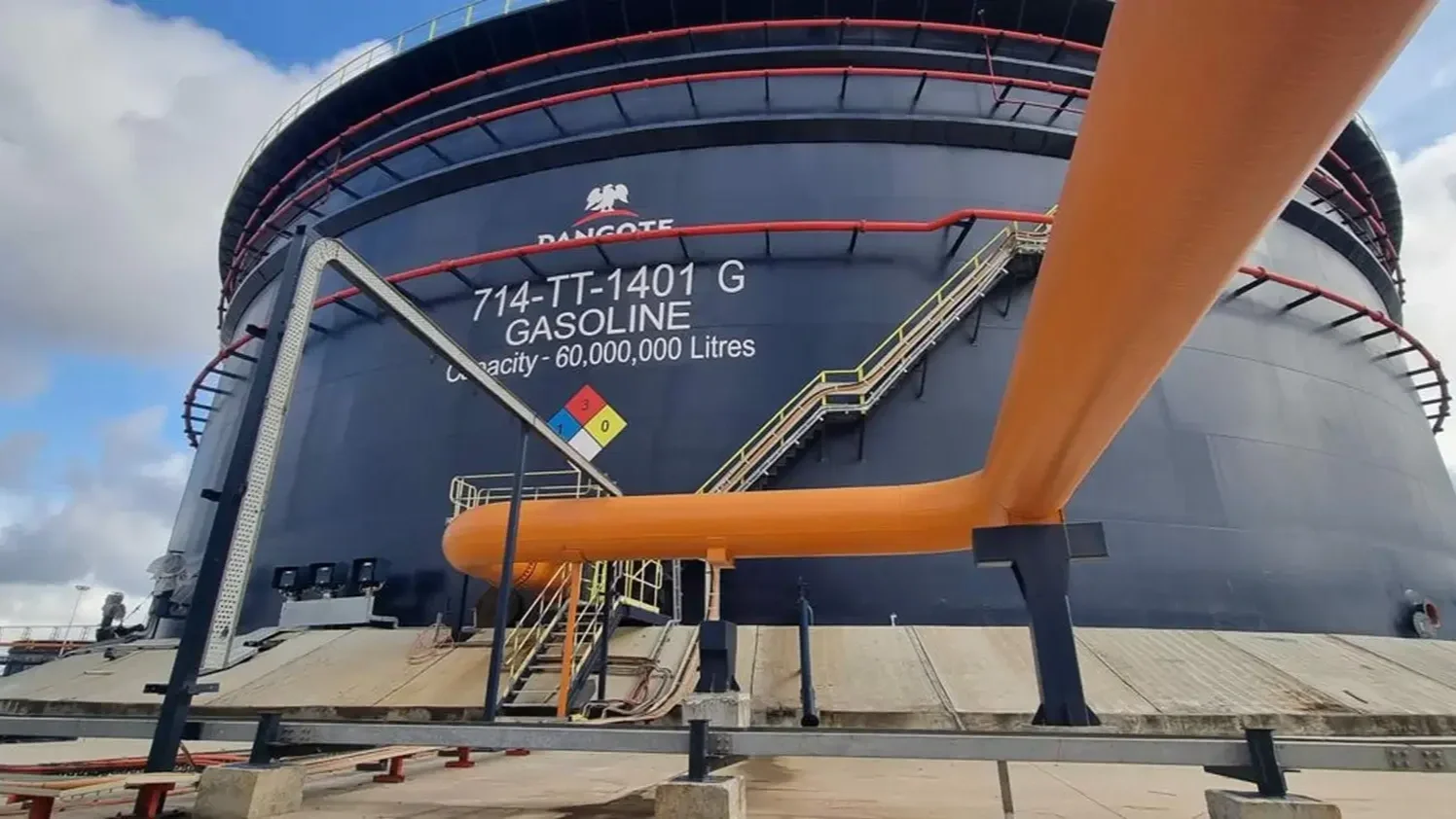
Dangote Petroleum Refinery and Petrochemicals is considering cutting petrol supplies to major marketers that continue to import Premium Motor Spirit (PMS), as imported fuel accounted for about 43 percent of petrol supplied to Nigeria in July.
The proposed measure could take effect as early as this week, subject to further consultations and possible intervention, according to sources familiar with the development.
Read Also:
The refinery’s concern centres on the alleged blending of imported petrol with PMS purchased from Dangote before the products are distributed to consumers.
A senior official at the $20bn Lekki-based refinery said such practices could make it difficult to distinguish between fuel supplied directly by Dangote and products that have been subsequently blended or handled by third parties.
“Why would we invest heavily in producing high-quality petroleum products for Nigerians, only for those products to be mixed with imported products of uncertain quality?” the official said.
The refinery has also raised concerns over the quality-control infrastructure for imported petroleum products, particularly the availability of standard laboratories capable of independently testing and certifying fuel entering the Nigerian market.
The development comes days after Dangote warned that rising petrol imports were forcing it to export excess stocks despite having sufficient capacity to meet Nigeria’s domestic demand.
According to the refinery, imported PMS represented approximately 43 percent of fuel supplied to the Nigerian market in July, while the continued issuance of petrol import licences had created uncertainty around domestic demand.
Dangote said it had maintained sufficient inventory and reserved product volumes to ensure steady supply to the local market.
However, it argued that holding large stocks indefinitely had become commercially unsustainable because of the uncertainty over future import volumes.
The refinery said surplus petrol that could not be absorbed by the domestic market would consequently be exported to regional and international markets.
The potential supply restriction represents a shift in Dangote Refinery’s response to rising petrol imports, moving beyond concerns over inventory and demand visibility to measures that could affect how major marketers source their products.
If implemented, the decision could intensify the competition between locally refined petrol and imported PMS while putting renewed focus on Nigeria’s petrol import licensing regime, domestic refining capacity and fuel quality standards.
You may like


Dangote Raises Petrol Price to N1,200 Despite Falling Crude Prices
-
Local petrol supply drops 21% as imports return to Nigeria’s fuel market
-
Dangote Refinery Extends Free Fuel Delivery to Four More States
-
Dangote Offers Kenya, Ethiopia, Rwanda 30% Stake in Planned $17bn Lamu Refinery
-
Dangote Refinery Gets $1bn Underwriting Support Ahead of Market Listing
-
Dangote Refinery Accepted 78% Of Crude Offered Under Q2 Domestic Supply Scheme


