
MARKETS AND ECONOMY
CBN Release N1.73 Trillion for Food Imports in Six Months

Published
1 year agoon
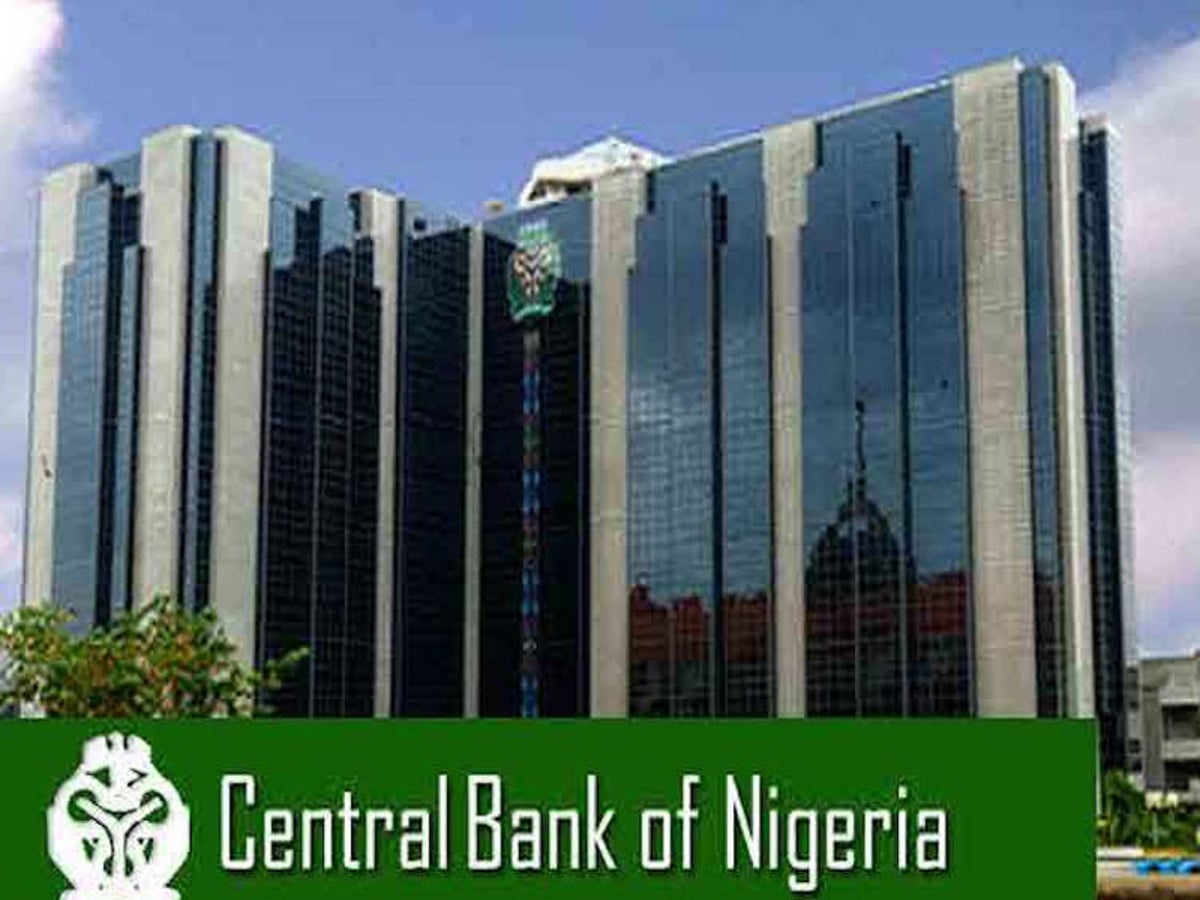
The Central Bank of Nigeria (CBN) released $547.7m (N823.19bn at the official exchange rate of N1,503.3/$1, as of June 30, 2024) to Nigerians for the importation of food items in the second quarter of 2024.
The amount is a reduction of $142.48m or 20.6 per cent from $689.88m recorded in the first three months of 2024 and N80.76bn or 8.93 per cent from N903.95bn recorded in Q1 when converted to naira.
Read Also:
This implies that the CBN released a total of N1.73tn for food items importation in six months, according to data from the bank’s quarterly statistics bulletin.
An analysis of the reports on Friday showed that Nigerians spent $164.43m in January, $303.91m in February, and $221.54m in March.
The apex bank also allocated $153.27m in April, $197.21m in May, and $197.22m in June.
This came as it was established that the Federal Government’s plan to reduce the price of food commodities through the implementation of zero duty on selected basic food items is increasingly becoming difficult to achieve.
This challenge is underscored by the alarming increase in the average price of imported food items, which rose to 878.3 price point index in September 2024, reflecting broader economic pressures.
On July 8, 2024, the Federal Government announced a 150-day duty-free import window for food commodities to ensure a reduction in food inflation in Nigeria. The food commodities include maize, husked brown rice, wheat, and cowpeas.
It said the programme was meant to help cushion the effects of various factors contributing to food scarcity and price hikes in the country.
The idea was simple: remove or significantly reduce import duties and value-added tax to encourage an inflow of food imports and drive down consumer prices.
But three months after the government announced the plans, the scheme has failed to take off, majorly due to government bureaucratic process and the failure of the Federal Ministry of Finance to publish a list of importers qualified to participate in the process as required by the guidelines earlier issued by the customs in August.
Share this:
- Click to share on X (Opens in new window) X
- Click to share on Facebook (Opens in new window) Facebook
- Click to share on WhatsApp (Opens in new window) WhatsApp
- Click to share on Pocket (Opens in new window) Pocket
- Click to share on Telegram (Opens in new window) Telegram
- Click to email a link to a friend (Opens in new window) Email
- Click to share on LinkedIn (Opens in new window) LinkedIn
You may like


CBN Affirms Alpha Morgan Bank’s Capitalisation
-
Nigerian Banks Set New Target to Respond to Frauds
-
NCC, CBN Introduce 30-Second Refund Rule for Failed Airtime and Data Purchases
-
Banks’ N1.96Trn Black Hole: Who Took the Loans, Who Defaulted, and Why the Real Economy Suffers
-
How Policy Missteps Weigh Down Nigeria’s Fragile Banking Giants
-
Nigeria at 65: A Nation Still Waiting for a Banking Revolution


