
Telecoms
NCC to Block over 42million Inactive Phone Lines – Report

Published
2 years agoon
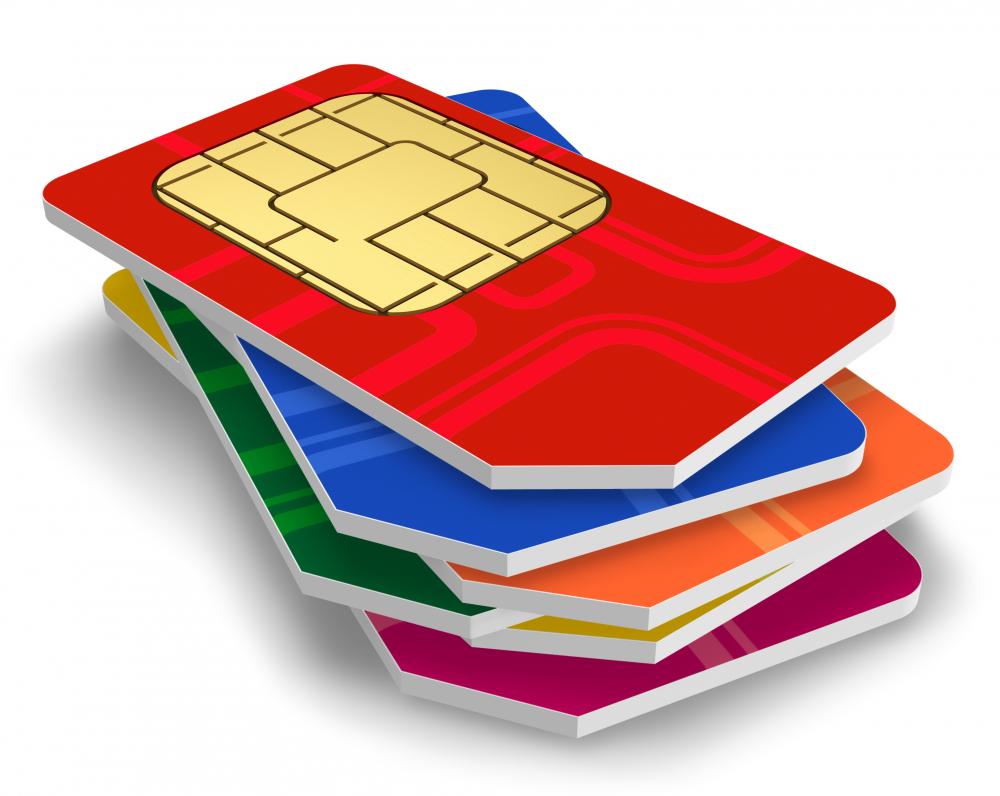
The Nigerian Communications Commission (NCC), as at February 28, 2024, has moved to restrict over 42 million inactive mobile numbers.
According to sources in the Commission, a total of 45 million lines in the country will be barred for not linking their subscriber identity module (SIM) with their national identification numbers (NINs).
Read Also:
Out of the 45 million, the sources said, 42 million inactive phone lines have neither made a call, had a data session nor sent an SMS in over one year.
In December 2020, the federal government announced the integration policy of SIM cards into the NIN database, as a measure to tackle the growing trend of insecurity and kidnapping across the country.
Following the multiple deadline extensions due to pressure from Nigerians and a huge number of unlinked SIMs, the federal government directed telecommunication firms to block only outgoing calls on all unlinked lines on April 4, 2022.
According to TheCable report, NCC has now decided to take things a notch higher, by implementing the policy at full scale for the first time since it was announced in 2020.
In a letter to mobile network operators in December 2023, the commission affirmed the federal government’s directive to bar unlinked lines by February 28, 2024, despite pleas by telecom operators that a huge amount of lines are yet to be linked with their NINs.
A full-scale implementation of the policy means that all outgoing and incoming voice calls, data, and SMS will be barred.
Sources further disclosed that only 3 million active lines will be affected out of the 45 million to be barred.
“These 42 million lines have been inactive for over a year. So essentially, from our system checks only about 3 million active lines would be barred. We expect that the users of these lines would come out to submit their NIN and unbar their lines or abandon the lines entirely,” a source stated.
The federal government had said the SIM-NIN registration drive, which commenced in 2020, aims to reduce criminal activities and ensure accountability among mobile phone users.
It was also intended to ensure that law enforcement agencies could track ownership, combat fraud, terrorism, and other illicit activities, as well as facilitate targeted communication during emergencies; and better regulate the telecoms sector.
With the barring of over 40 million lines by telecos, the country is expected to record a significant drop in its teledensity and broadband penetration index.
Share this:
- Click to share on X (Opens in new window) X
- Click to share on Facebook (Opens in new window) Facebook
- Click to share on WhatsApp (Opens in new window) WhatsApp
- Click to share on Pocket (Opens in new window) Pocket
- Click to share on Telegram (Opens in new window) Telegram
- Click to email a link to a friend (Opens in new window) Email
- Click to share on LinkedIn (Opens in new window) LinkedIn
You may like


Nigerians Lost N12.5bn to Telecom Fraud as AI Escalates Scams – Report
-
NCC Committed to Regional Digital Integration – Maida
-
Telcos to Pump Fresh N1.4 Trillion on Network Expansion – NCC
-
NCC to Rollout Satellite-to-Phone Technology for 23.3m Nigerians
-
NCC, CBN Introduce 30-Second Refund Rule for Failed Airtime and Data Purchases
-
NCC Seeks Stakeholder Input on Draft Five-year Spectrum Roadmap, 60 ghz Guidelines


